

Les composants essentiels des véhicules à énergies nouvelles, les batteries et les moteurs, génèrent beaucoup de chaleur pendant leur fonctionnement. Pendant le cycle de charge-décharge de la batterie, la réaction chimique complexe à l’intérieur de la batterie libère continuellement de l’énergie thermique ; Lorsque le moteur tourne à grande vitesse ou dans des conditions de démarrage et d'arrêt fréquents, l'action du courant et le frottement mécanique provoqueront également une forte augmentation de la chaleur. Si cette chaleur ne peut pas être contrôlée de manière stable et efficace, les performances des véhicules à énergie nouvelle seront sévèrement limitées. Une dissipation thermique instable entraînera une température trop élevée de la batterie, ce qui entraînera un déséquilibre dans la réaction chimique interne de la batterie, ce qui entraînera une diminution de la capacité de la batterie et une accélération de l'autonomie de croisière. Dans le même temps, des températures élevées peuvent également provoquer un emballement thermique de la batterie, ce qui présente un grave danger pour la sécurité. Pour le moteur, la surchauffe entraînera une baisse des performances d'isolation des enroulements et une sortie de couple instable, ce qui affaiblira directement les performances dynamiques du véhicule et affectera la stabilité et la douceur de conduite. On peut constater qu'un système de dissipation thermique stable et fiable est la pierre angulaire des performances des véhicules à énergies nouvelles.
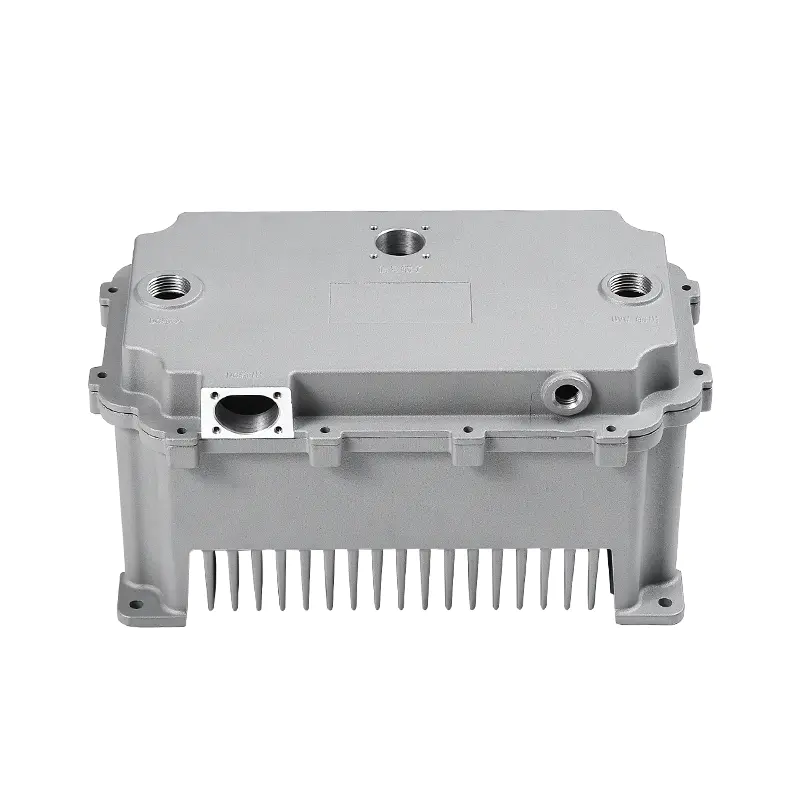
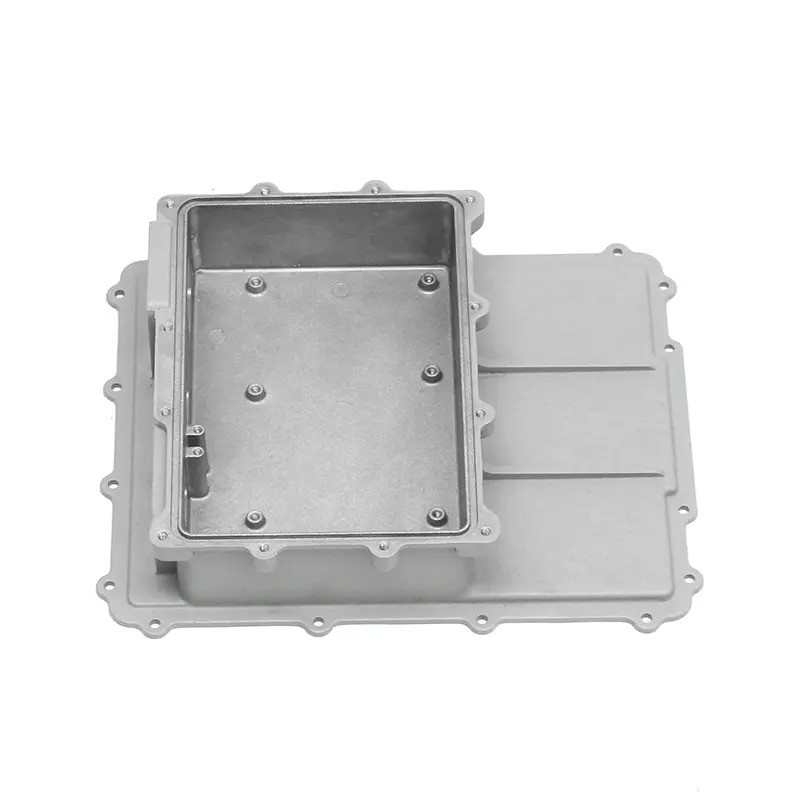
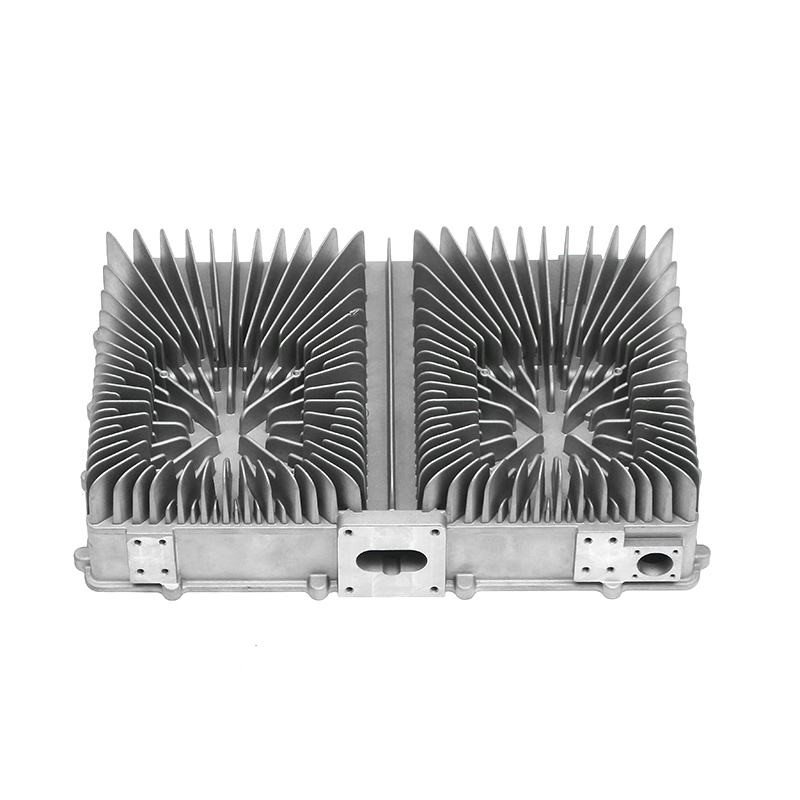
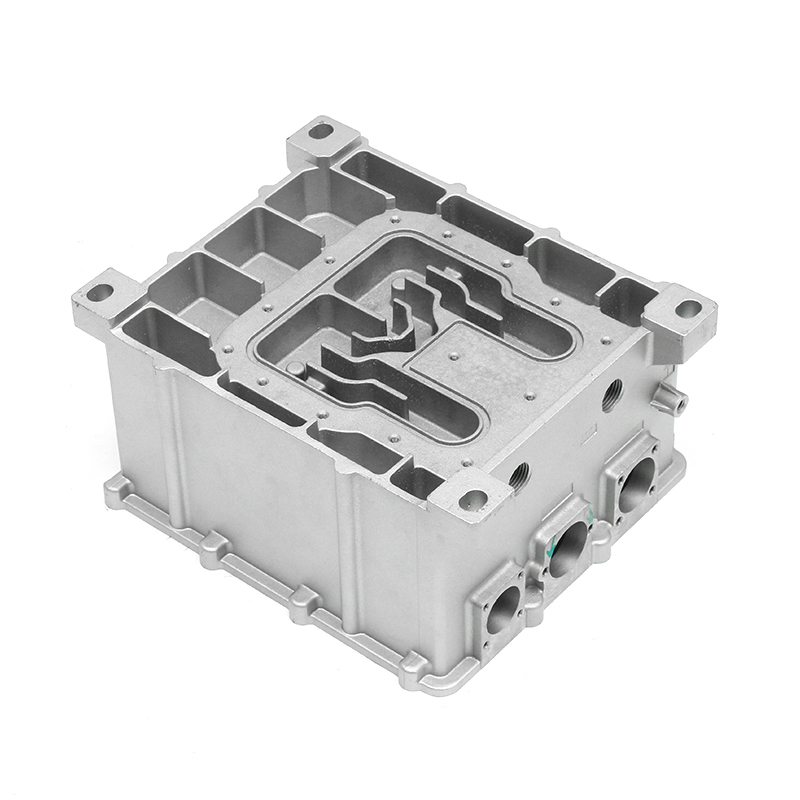
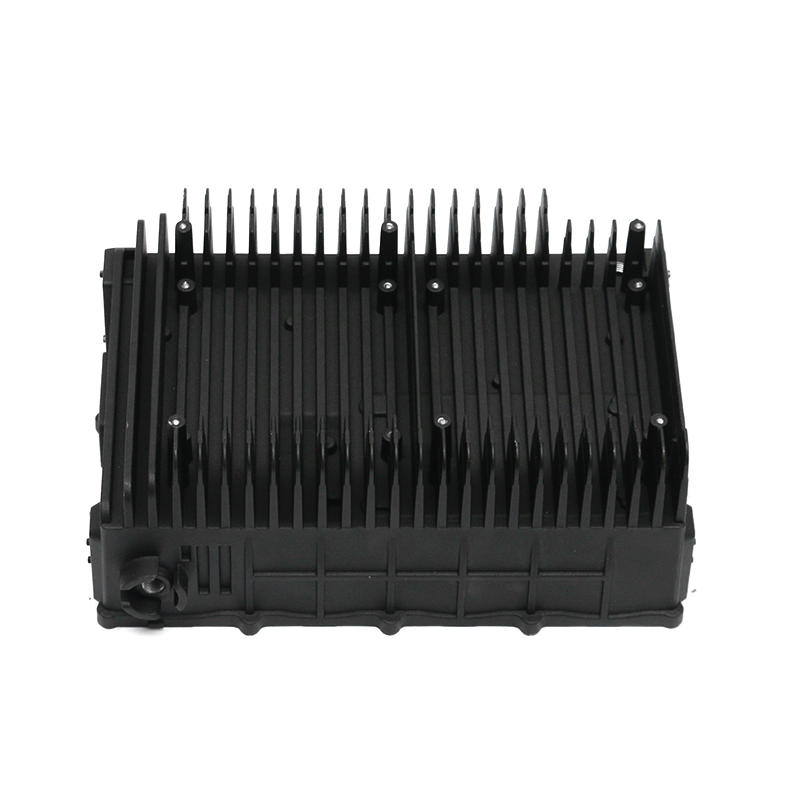
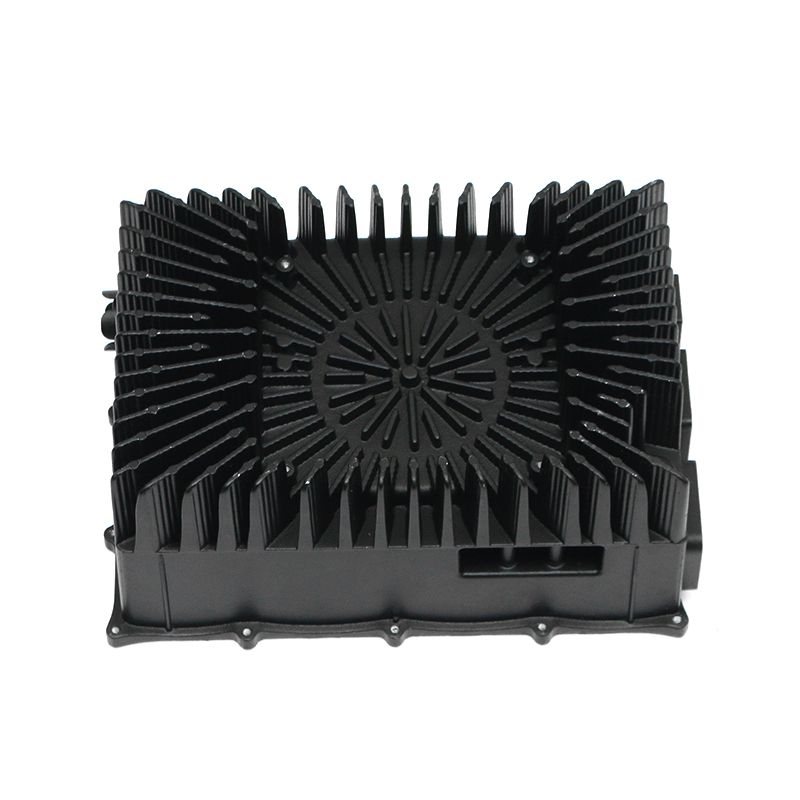
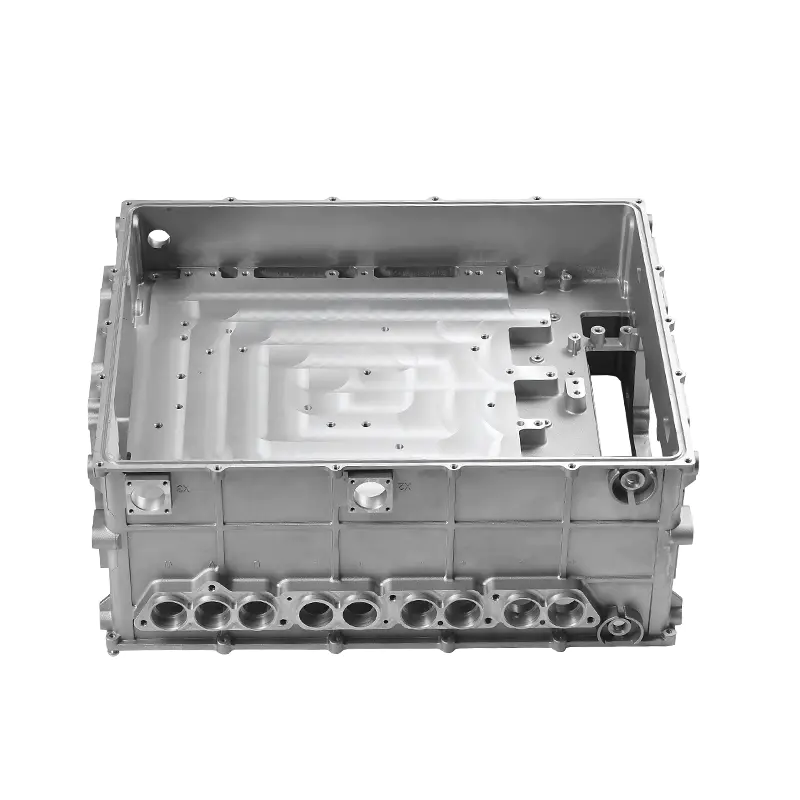
Le Série de refroidissement par eau à commande électronique New Energy est conçu pour répondre aux besoins exigeants des véhicules à énergies nouvelles. Dès le début, la stabilité a été au cœur de la série. Dans le processus de construction de l'architecture du système et de sélection des composants, après d'innombrables démonstrations et optimisations répétées, nous nous efforçons de créer le système de dissipation thermique le plus stable et le plus efficace. Son système couvre des composants clés tels que des pompes, des réservoirs d'eau, des radiateurs, etc., qui sont étroitement coordonnés grâce à un assemblage de moules précis et à des méthodes de connexion scientifiques pour former un tout organique hautement stable.
Le stable operation of the water pump is the power source to ensure the heat dissipation effect of the water cooling system. The New Energy Electronically Controlled Water Cooling Series is equipped with a water pump with high efficiency and stable power output. Whether it is a frequent start and stop of the vehicle under urban congestion conditions, or a long-term high-speed drive on the highway, the water pump can accurately adjust the coolant flow rate to ensure that the coolant can provide a stable flow rate for the coolant under different working conditions, and bring out the heat generated by the battery and motor in time, providing a solid guarantee for the stable operation of the power system of new energy vehicles, so as to effectively improve the power performance of the vehicle. The stable coolant circulation can keep the motor in the optimal operating temperature range at all times, ensure the stable torque output of the motor, make the power response of the vehicle faster and more stable in acceleration and climbing scenarios, and greatly improve the driving experience.
Le water tank plays the dual key role of "reservoir" and "buffer" in the water cooling system. The tanks of the New Energy Electronically Controlled Water Cooling Series are designed with a special structure and high-quality materials to provide excellent thermal stability and impact resistance. Even in bumpy road conditions, sudden acceleration or braking, the water tank ensures stable coolant storage and effectively buffers drastic changes in coolant temperature. Stable coolant storage and temperature buffering are essential to maintain battery performance. The stable coolant temperature can ensure the stability of the chemical reaction inside the battery, reduce the attenuation of battery capacity, and significantly improve the endurance of new energy vehicles. In actual use, new energy vehicles equipped with this series of water cooling systems have a significantly higher cruising range than vehicles with unstable heat dissipation under the same power and driving conditions, bringing users a more convenient travel experience.
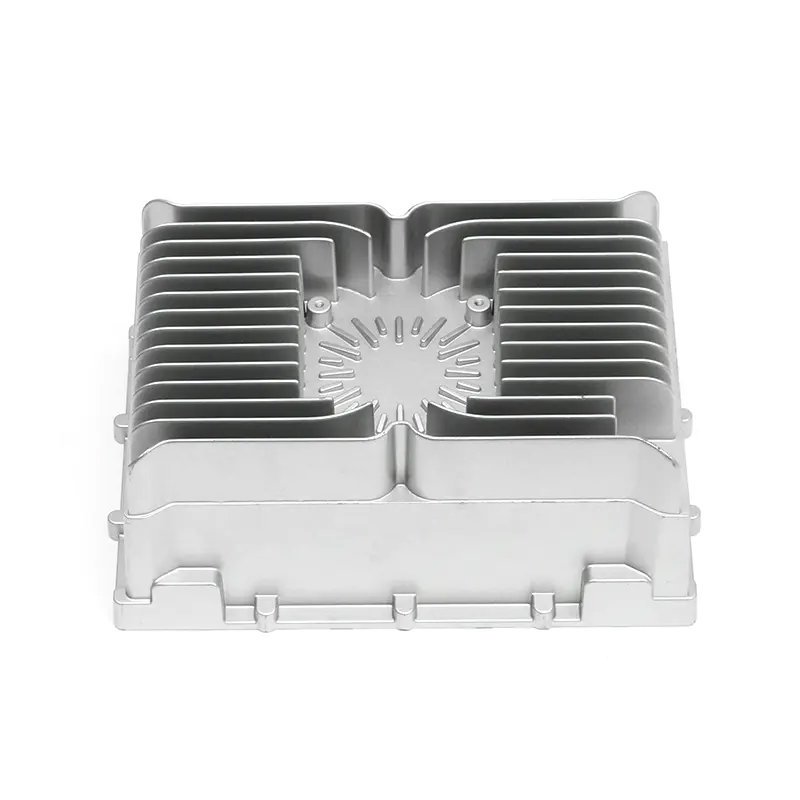
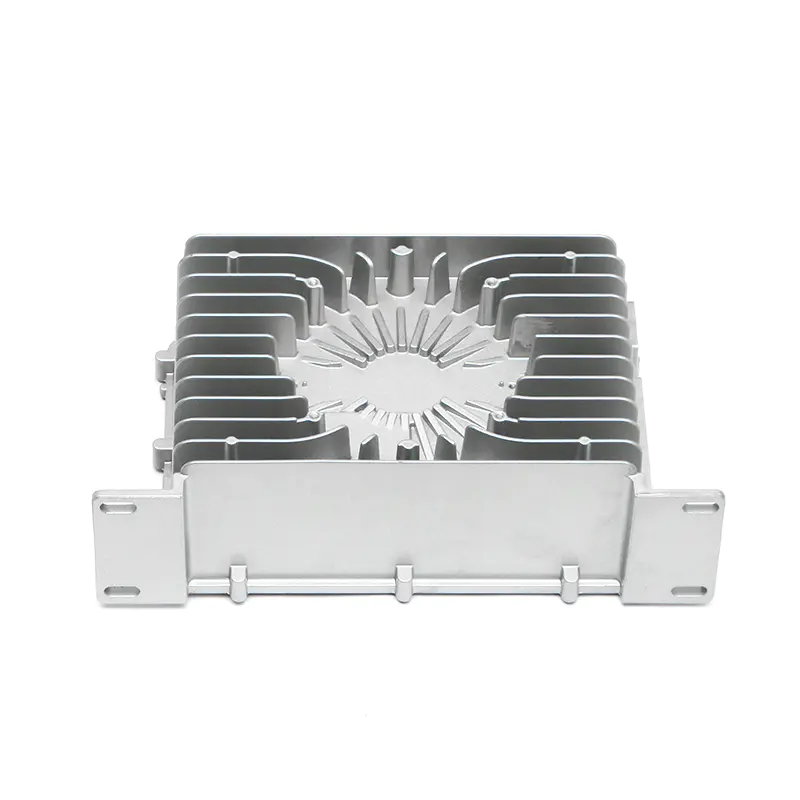
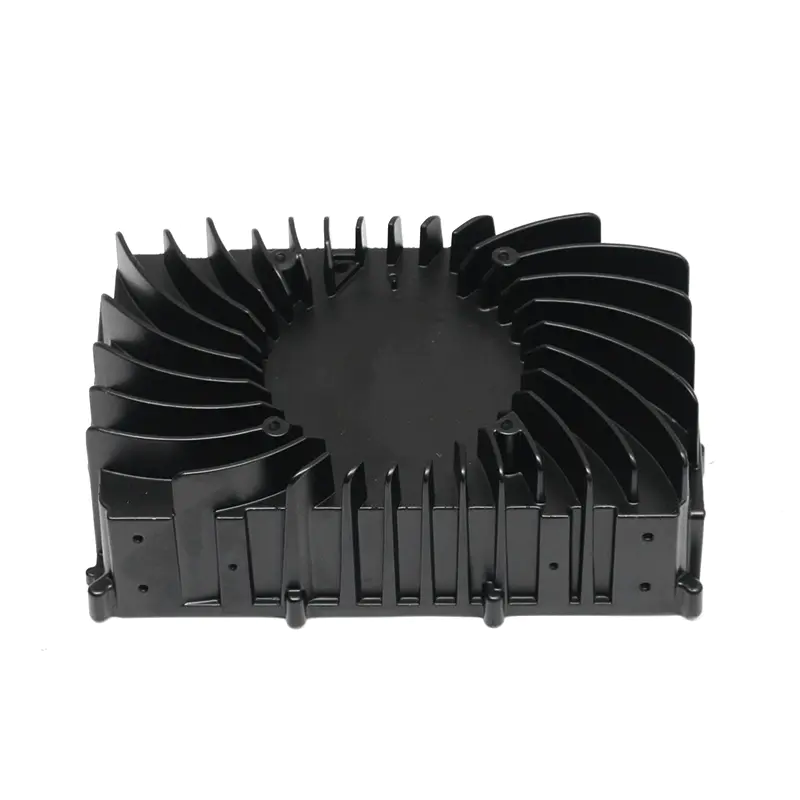
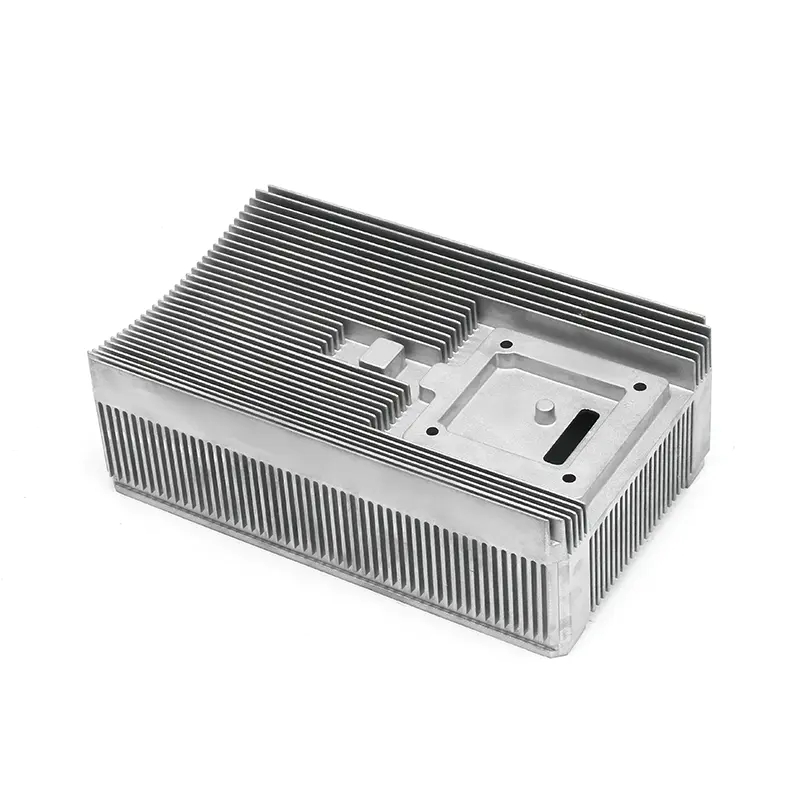
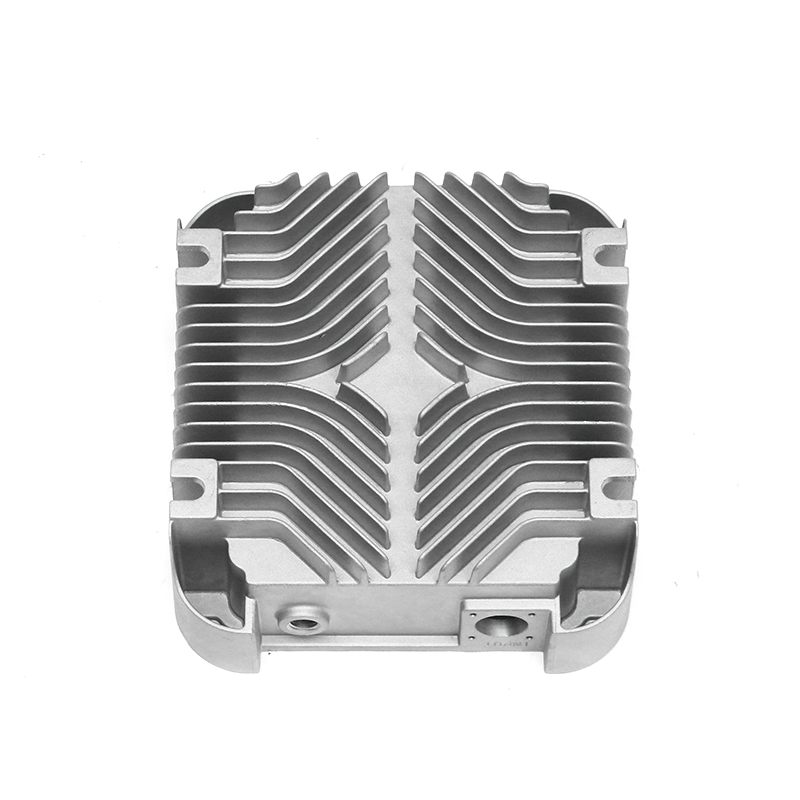
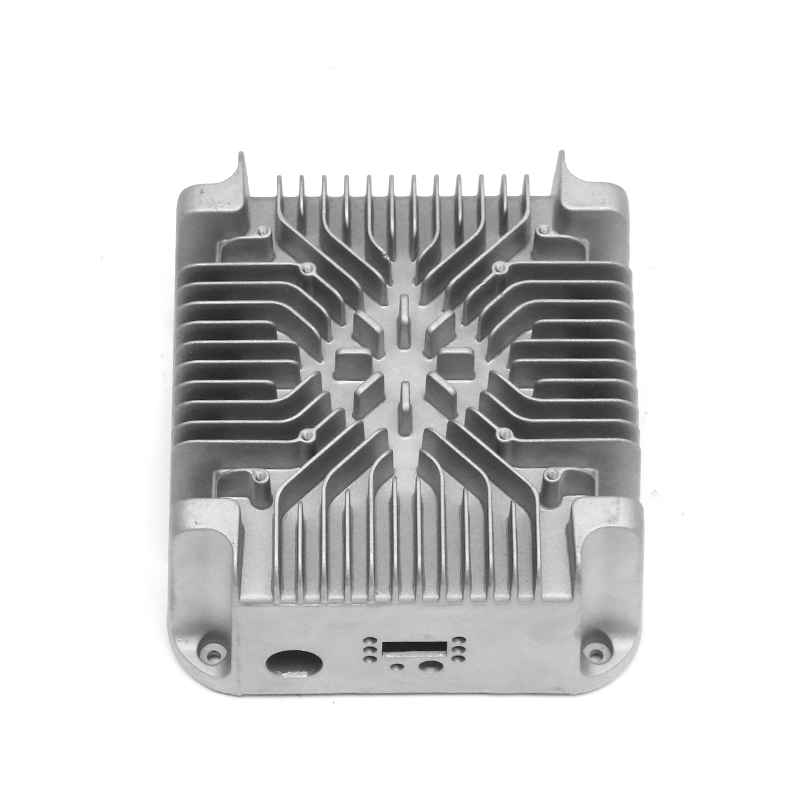
Le heat sink of the New Energy Electronically Controlled Water Cooling Series uses an advanced heat sink fin design and high-efficiency thermal conductive materials to maintain stable heat dissipation efficiency at different ambient temperatures. In the hot summer, the radiator can quickly dissipate the heat in the coolant to the outside world, preventing the vehicle from overheating and degrading its performance. In the cold winter, it can also avoid the low coolant temperature affecting the vehicle performance through reasonable thermal management strategies. The stable heat dissipation efficiency ensures that the battery and motor can be at a suitable working temperature under various climatic conditions, which greatly improves the safety performance of new energy vehicles. The stable working temperature effectively reduces the risk of thermal runaway of the battery, and at the same time ensures the reliable operation of the motor, reduces the probability of failure caused by overheating, and escorts the user's driving safety.
Dans l'application du marché, la stabilité de la série de refroidissement par eau à commande électronique New Energy a été entièrement vérifiée pour améliorer les performances des véhicules à énergie nouvelle. De nombreux constructeurs de véhicules à énergie nouvelle ont fait l'éloge de l'installation et de l'utilisation réelles. Une société bien connue de véhicules à énergies nouvelles a rapporté qu'après avoir adopté cette série de produits dans plusieurs de ses modèles, les performances de puissance, d'endurance et de sécurité du véhicule dans différentes conditions routières et climatiques ont été considérablement améliorées. Qu'il s'agisse d'un test d'endurance dans une zone désertique chaude ou d'une expérience de démarrage à basse température dans une région polaire froide, les températures de la batterie et du moteur du véhicule sont toujours maintenues dans une plage raisonnable, garantissant ainsi un fonctionnement performant.
Le New Energy Electronically Controlled Water Cooling Series has also won the trust of consumers in the automotive aftermarket for its excellent stability. Maintenance companies have reported that after a long period of use, there are few maintenance needs caused by system failures, which greatly reduces the after-sales maintenance cost of vehicles. This not only improves the experience of consumers, but also provides strong support for the popularization and promotion of new energy vehicles, and further promotes the healthy development of the new energy vehicle industry.

Produits recommandés
Les produits fournis par des entreprises célèbres jouissent d'une grande confiance auprès des utilisateurs.

LIENS RAPIDES
PRODUITS
À PROPOS DE NOUS
INFORMATIONS DE CONTACT.
- +86-18657487998
+86-17706881251 - +86-574-86886999
- [email protected]
- N° 19, route Laoshan, district de Beilun, ville de Ningbo, province du Zhejiang, Chine

Droit d'auteur © 2024 Ningbo Fenda New Energy Technology Co., Ltd. Tous droits réservés.
